Oxygen: A Handwritten Font for Editorial Design
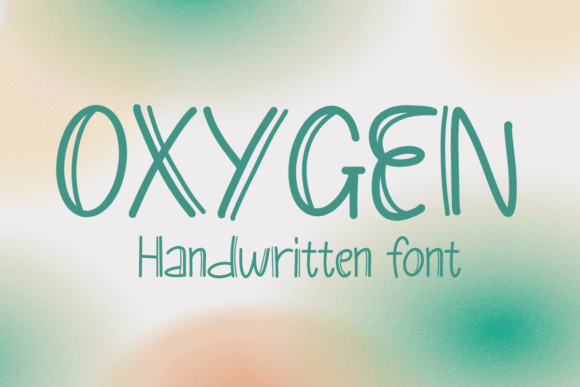
Oxygen is a handwritten display font that brings warmth and personality to editorial design. Its friendly, approachable style makes it ideal for content that needs to feel personal and engaging. Whether you're crafting a blog post, designing a magazine cover, or creating an ebook, Oxygen adds a unique visual tone that complements both the message and the medium.
Visual Personality and Editorial Appeal
Oxygen's handwritten style evokes a sense of intimacy and creativity. Its flowing curves and natural letterforms give it a handcrafted feel that stands out in digital and print layouts. This font is particularly effective for content that aims to connect with readers on a personal level—such as lifestyle blogs, creative guides, and printable materials.
Its versatility allows it to work well in a variety of editorial contexts. From bold headlines to subtle accents, Oxygen can be used to highlight key elements without overpowering the overall design. The font’s clean yet expressive nature ensures it remains legible even when used in decorative applications.
Using Oxygen in Editorial Layouts
Oxygen shines in areas where visual interest and readability need to coexist. It's perfect for headers, chapter openers, pull quotes, and accent typography. For example, using Oxygen for a lifestyle blog's title creates an inviting first impression, while its use in a quote graphic adds a touch of elegance and warmth.
In magazine covers, Oxygen can serve as a focal point, drawing the eye with its distinctive style. It works especially well for titles and subheadings, adding a dynamic element to otherwise static layouts. When paired with a more traditional serif or sans serif font, Oxygen helps establish a clear visual hierarchy that guides the reader through the content smoothly.
For ebooks and printable guides, Oxygen can enhance the reader experience by making the text feel more accessible and engaging. Its soft, rounded forms are easy to read on screen and in print, making it a great choice for lead magnets, worksheets, and other downloadable content.
Font Pairing and Design Flexibility
When pairing Oxygen with other fonts, consider the balance between contrast and harmony. For body copy, a clean sans serif or modern serif font like Montserrat or Georgia provides a strong foundation, allowing Oxygen to stand out as a stylistic accent. In web design and social media graphics, combining Oxygen with a simple sans serif font ensures clarity while maintaining visual appeal.
Oxygen also works well with decorative fonts for logos and brand identity. Its handwritten character adds a personal touch to creative projects such as wedding guides, coaching workbooks, and digital magazines. The font’s ability to adapt to different design styles makes it a valuable asset for content creators looking to build a cohesive brand identity.
Readability and Practical Considerations
While Oxygen is designed for visual impact, it's important to consider readability across different platforms and formats. On screen, the font performs well in most standard resolutions, though it may require slight adjustments for smaller text sizes. In PDF exports and print, its clean strokes ensure clarity and maintain its aesthetic appeal.
Mobile layouts benefit from Oxygen’s legibility, especially when used in larger text sizes. For longer reading experiences, it's best suited for headings and subheadings rather than body text. However, when used sparingly and thoughtfully, Oxygen can enhance the overall reading experience without compromising comprehension.
Commercial Licensing and Design Assets
Oxygen is a commercial font, meaning it can be used in paid newsletters, client publications, and digital downloads. This makes it an excellent choice for publishers, bloggers, and content creators who rely on high-quality design assets for their work. The font includes a range of weights and alternates, offering flexibility for different design needs.
When using Oxygen in your projects, be sure to check the included styles and ligatures to ensure they align with your design goals. Its multilingual support further expands its usability, making it a versatile tool for global audiences.
Conclusion
Oxygen is more than just a font—it’s a design tool that enhances editorial work with personality, readability, and visual appeal. Whether you're crafting a blog post, designing a magazine cover, or creating an ebook, this handwritten display font offers a unique way to engage your audience and elevate your content. With its adaptability and thoughtful design, Oxygen is a valuable addition to any designer’s toolkit.